
The Thrill of Uncertainty
One of the most compelling aspects of casino gaming is the thrill of uncertainty. Players are drawn to the randomness of games like slots or roulette, where outcomes are unpredictable. This unpredictability triggers a psychological response known as the “near-miss effect,” where players often feel encouraged to continue playing after coming close to winning, even if they did not actually win. This phenomenon creates a sense of excitement and keeps players engaged, especially when considering the best non Gamstop casinos available to enhance their experience.
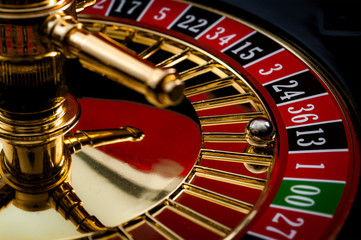
The adrenaline rush that accompanies gambling can be likened to a roller coaster ride. The highs and lows evoke strong emotional responses, and this roller coaster of emotions is a huge part of why people are attracted to casinos. The anticipation of winning can create a powerful psychological pull that often overshadows the potential risks involved.
The Social Aspect of Gambling
Another significant factor that influences why we gamble is the social environment of casinos. Many people find joy not only in playing but also in socializing with fellow gamblers. The communal atmosphere fosters a sense of belonging and camaraderie among players. This social interaction can enhance the overall gaming experience, making it more enjoyable and memorable.
Furthermore, casinos often employ strategies designed to amplify this social aspect, such as hosting events or offering rewards for group play. By cultivating a social environment, casinos tap into the psychology of belonging, making it more likely that players will engage in gaming activities to connect with others.
The Role of Reward Systems
The psychology behind casino gaming is heavily influenced by reward systems. Casinos use various forms of reinforcement to encourage continued play, including bonuses, loyalty programs, and jackpot prizes. This concept stems from behavioral psychology, where positive reinforcement increases the likelihood of a behavior being repeated. When players win, even if it’s just a small amount, it can trigger dopamine release in the brain, creating a feeling of euphoria and encouraging them to keep playing.
Moreover, the concept of “losses disguised as wins” plays a significant role in players’ behaviors. This occurs when players receive payouts that are less than their total bet, yet the experience feels rewarding enough to encourage continued gambling. Understanding these psychological triggers helps explain why many individuals find it difficult to walk away from gaming activities.
The Illusion of Control
Players often believe in their ability to influence outcomes within games, leading to what is known as the illusion of control. This mindset can be particularly strong in games that involve skill, such as poker or blackjack, where players feel their decisions can directly affect their chances of winning. This creates a false sense of confidence, making them more likely to gamble.
The illusion of control is bolstered by cognitive biases, such as the gambler’s fallacy—where individuals believe that past events influence future outcomes. These psychological phenomena contribute to a sustained engagement in gaming behavior, as players may think their next game could lead to success based on their perceived skills and strategies, despite the inherent randomness of most casino games.

Ensuring a Secure Gaming Experience
Understanding the psychology behind casino gaming is essential for players to navigate their experiences safely. While the thrill and excitement can be addictive, it’s crucial to maintain awareness of the potential risks associated with gambling. Many platforms now prioritize user safety and secure access to resources, ensuring that players have the necessary support and information to gamble responsibly.
If you ever encounter restrictions or issues while accessing gaming sites, it’s important to have clear guidelines available for resolution. Websites that emphasize robust security and performance not only protect against online threats but also promote safer gaming practices. Keeping this in mind can contribute to a healthier relationship with gambling, allowing individuals to enjoy the psychological aspects of gaming while remaining aware of their limitations.
