
The psychology behind thrill-seeking in gambling behavior
The Nature of Thrill-Seeking
Thrill-seeking is a psychological phenomenon that drives individuals to seek out experiences that are exciting and often risky. In gambling, this urge manifests as a desire to engage in activities that evoke intense emotions, such as adrenaline and anticipation. The release of dopamine, a neurotransmitter associated with pleasure and reward, significantly contributes to this behavior. When players gamble, particularly during high-stakes games, their bodies respond with increased heart rates and heightened awareness, making the experience exhilarating. You can find more about this exciting world at zoccer.mobi.
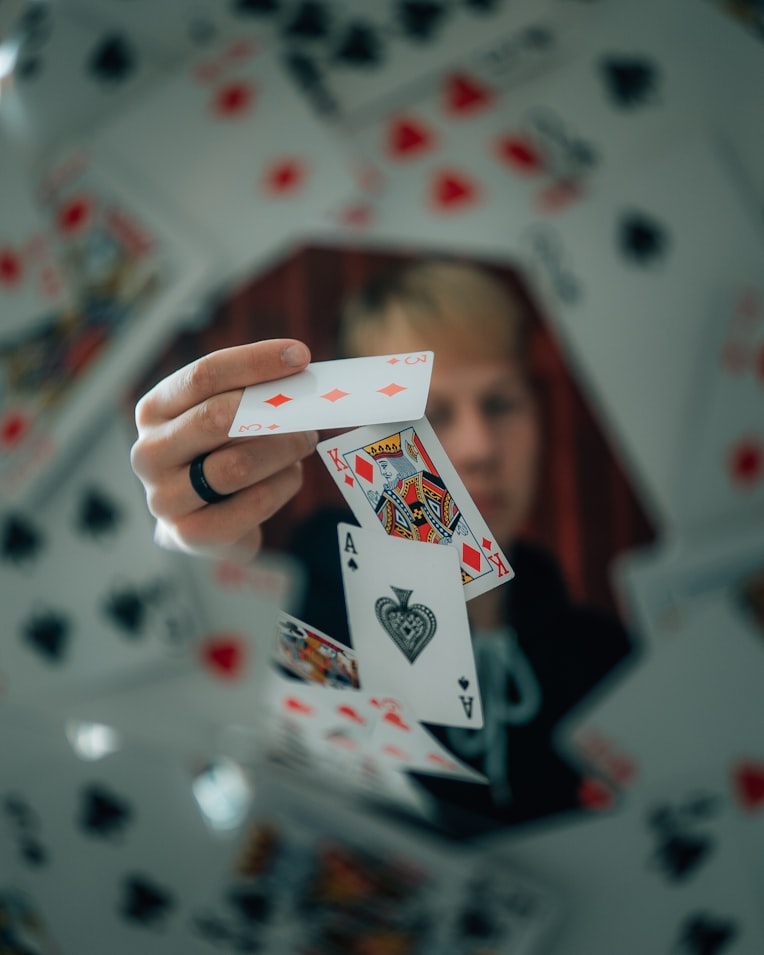
Research indicates that thrill-seeking can be influenced by personality traits. People who score high on measures of sensation-seeking tend to gravitate towards gambling as a means of satisfying their craving for excitement. They often view risk as a challenge rather than a deterrent, making them more likely to engage in behaviors that others might shy away from. Understanding these traits can provide insights into why certain individuals are more drawn to gambling than others.
The environment also plays a crucial role in amplifying the thrill associated with gambling. Bright lights, loud sounds, and other sensory stimuli commonly found in casinos contribute to a heightened state of excitement. These elements create an atmosphere that encourages players to take more risks. As players are bombarded with visual and auditory cues, they are more likely to become immersed in the experience, leading to greater engagement and, ultimately, more significant gambling behavior.
The Role of Uncertainty in Gambling
Uncertainty is a fundamental aspect of gambling that fuels thrill-seeking behavior. The unpredictability of outcomes creates a sense of suspense that many find irresistible. This element of chance is what differentiates gambling from other activities; it’s not just about winning or losing but also the experience of not knowing what will happen next. This unpredictability can lead to a rush of excitement that keeps players returning for more, as they chase that next big win.
This love for uncertainty is often reinforced by cognitive biases, such as the gambler’s fallacy, where players believe that past results can influence future outcomes. For instance, if a player has lost several times in a row, they may feel that a win is “due.” This belief can lead to increased betting, amplifying their thrill-seeking behavior. Recognizing these cognitive biases can help in understanding how individuals justify their gambling habits, often leading to a cycle of chasing losses and experiencing heightened emotional states.
The impact of uncertainty extends beyond individual behavior; it influences the gambling industry as a whole. Casinos and online gaming platforms are designed to exploit this aspect of human psychology. By offering games with unpredictable outcomes and varying odds, they create an environment where players feel compelled to engage. The thrill of uncertainty is not just appealing to players; it is a cornerstone of business strategies for gambling establishments, making it essential to their success.
The Social Aspect of Gambling
The social context surrounding gambling is another critical factor in thrill-seeking behavior. Many individuals enjoy gambling not just for the thrill of the game itself but for the social interactions it facilitates. This communal aspect can amplify the excitement, as players share their experiences, celebrate wins, and commiserate over losses. The camaraderie found in social gambling environments, whether in a physical casino or an online platform, enhances the overall thrill, making it a more rewarding experience.
This social element also taps into the phenomenon of social reinforcement. When individuals witness others winning or experiencing excitement, it can fuel their own desire to participate. The behaviors and reactions of fellow gamblers can act as catalysts, pushing individuals to take risks they might not otherwise consider. In essence, the thrill is not just about the individual; it is a shared experience that can create a sense of belonging and community among players.
Furthermore, the competitive nature of gambling can intensify the thrill-seeking behavior. Many games involve head-to-head competition, where players are pitted against one another. This rivalry not only raises the stakes but also injects an additional layer of excitement. The desire to outperform peers can drive individuals to gamble more aggressively, as they seek both personal satisfaction and social validation. As such, the social dynamics inherent in gambling can significantly influence individual behavior, making it a complex interplay of psychological factors.
The Impact of Addiction and Risk-Taking
The thrill-seeking behavior in gambling can sometimes escalate into problematic patterns, leading to addiction. For some individuals, the excitement derived from gambling becomes a compulsive need, overshadowing the thrill itself. This transformation occurs when the brain’s reward system becomes desensitized, requiring more significant risks or higher stakes to elicit the same feelings of excitement. As players chase the initial thrill, they may find themselves engaging in riskier behavior, such as betting larger amounts of money or playing more frequently.
Addiction to gambling can have devastating consequences, affecting not only the individual but also their relationships and financial stability. The emotional highs that once drove the thrill-seeking behavior can turn into emotional lows, creating a cycle of despair. It is essential for individuals who recognize these patterns to seek help, as understanding the psychological underpinnings of their behavior can be the first step toward recovery.
The challenge lies in distinguishing healthy thrill-seeking from problematic gambling. Professionals in psychology and addiction treatment emphasize the importance of self-awareness and setting limits. By understanding the motivations behind their thrill-seeking, individuals can make more informed choices about their gambling activities. This awareness can help foster a healthier relationship with gambling, allowing individuals to enjoy the excitement while minimizing risks associated with addiction.

Exploring Online Gaming with Zoccer Casino
For those interested in exploring the thrilling world of online gambling, Zoccer Casino offers an exceptional platform. With a wide array of games, including exciting slots and live casino experiences, players are sure to find something that resonates with their thrill-seeking nature. The user-friendly interface and top-notch security measures ensure a seamless experience, allowing players to focus on the excitement without concern for safety.
At Zoccer Casino, players can take advantage of generous bonuses, such as a welcome package that includes up to €500 and 200 free spins. These promotions enhance the gaming experience, providing additional opportunities for thrills without the immediate financial commitment. The platform also regularly updates its game selection and promotional offers, keeping the excitement alive for both new and seasoned players.
Ultimately, Zoccer Casino embraces the psychological underpinnings of thrill-seeking behavior in gambling. By offering an engaging and secure environment, it caters to those who seek both entertainment and excitement. As players navigate their gaming journeys, they can explore the thrill of gambling while enjoying the variety of experiences available at Zoccer Casino, making it an ideal destination for thrill-seekers.
